Mold Prevention After Water Damage in Houston, TX
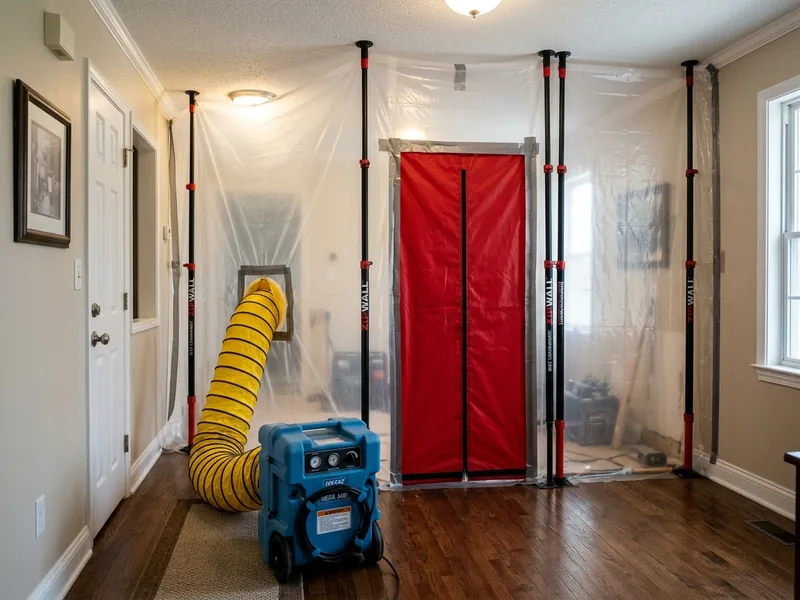
Mold prevention after water damage is about removing the moisture mold needs before it can take hold. Mold can begin within a day or two of a water loss, and Houston's humidity speeds it up, so fast drying and treatment matter. We help Houston homes and businesses prevent mold after water damage, and handle it when it has already started.
How we respond
- 1You call usDescribe the water damage and we advise the next steps.
- 2We dry & treatDry the materials fast and apply antimicrobial treatment.
- 3We monitorWe check moisture so conditions stay too dry for mold.
What is mold prevention after water damage?
Mold prevention after water damage is the work of removing the moisture that mold needs, before it has a chance to grow. Mold is not a separate problem from water damage; it is what happens when water damage is left wet, so preventing it is really about drying properly.
The key fact is timing. Mold can begin within a day or two of a water loss, so prevention is a race. Acting fast to remove water, dry materials, and control moisture is what keeps a water problem from becoming a mold problem.
Why does mold grow after water damage?
Mold grows after water damage because a water loss creates everything mold needs at once: moisture, organic materials like drywall and wood to feed on, and time. Remove any one of those and mold cannot establish, and moisture is the one you can control.
Houston's climate adds to the risk. The warm, humid conditions favor mold growth, and damp outdoor air can slow the natural drying a property needs. That is why prevention here leans on controlled, thorough drying rather than hoping a space will dry on its own.
How do you prevent mold after a water loss?
Preventing mold after a water loss comes down to taking away the moisture quickly and thoroughly:
- Extract water fast. The sooner the water is gone, the less time mold has.
- Remove wet materials. Materials too soaked to dry are taken out.
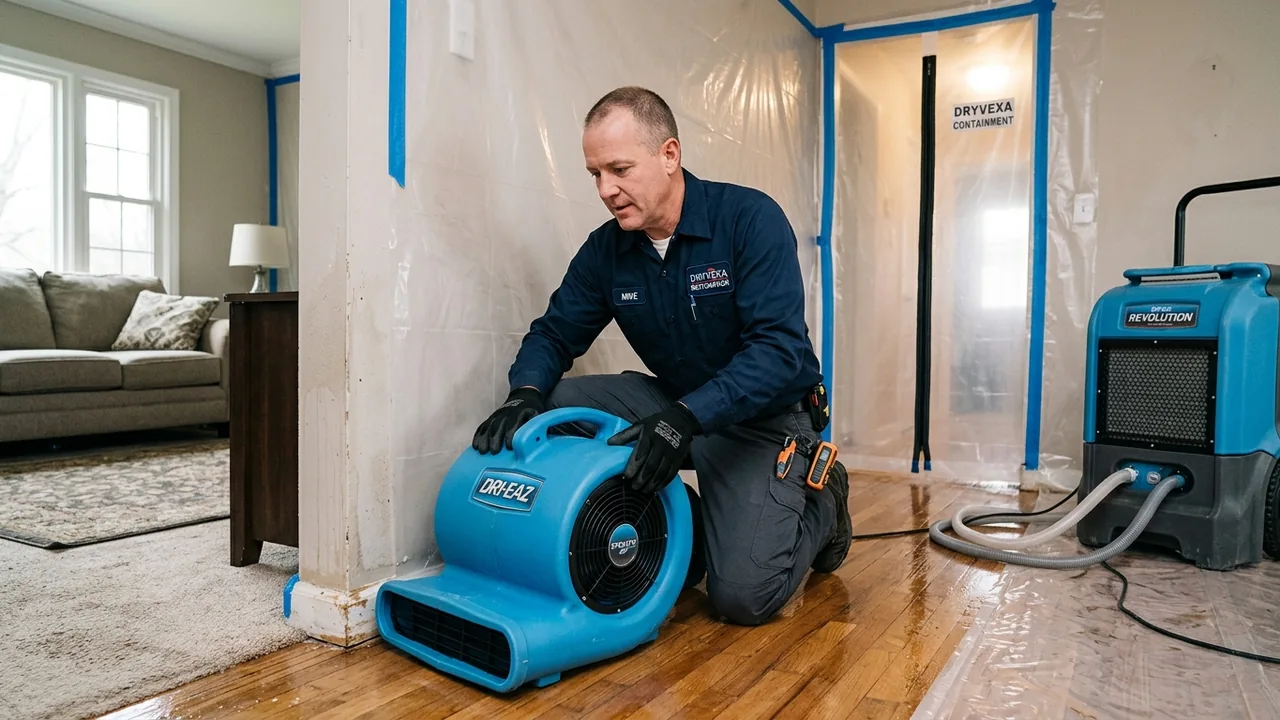
- Dry to verified dry. The structure is dried and confirmed with meters.
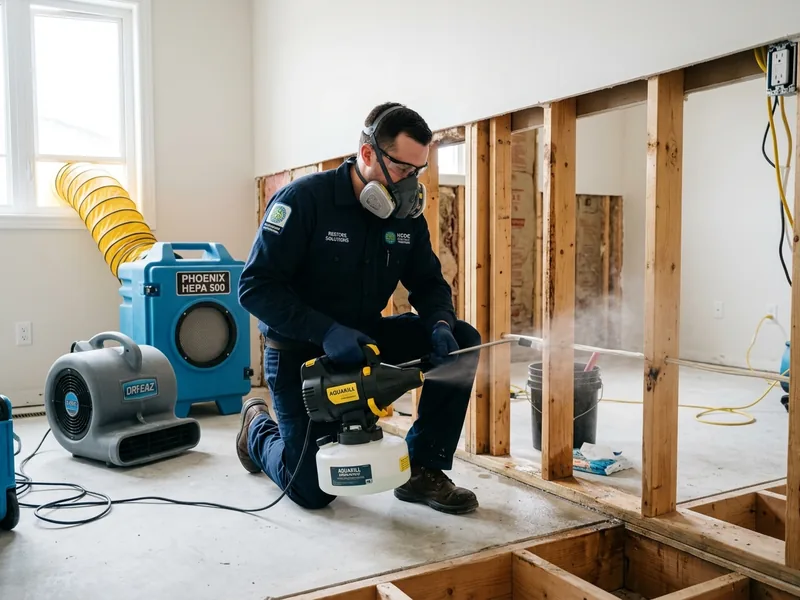
- Treat where appropriate. Antimicrobial treatment adds protection on surfaces.
- Monitor. Moisture is checked so conditions stay too dry for mold.
What if mold has already started?
If mold has already started, the job shifts from prevention to remediation, which is the controlled removal and cleanup of existing mold. This is a different process, with containment and safety steps to keep spores from spreading.
It is also regulated. In Texas, mold assessment and remediation are governed by state rules, and larger projects must be handled by a licensed professional. If you already see or smell mold, our mold remediation and mold inspection services cover how existing mold is assessed and addressed.
Why fast drying is the best prevention
Fast drying is the best mold prevention because moisture is the one thing mold cannot grow without. Materials and time are already present after a water loss, so removing the water is what breaks the chain.
Everything else, from antimicrobial treatment to monitoring, supports that goal rather than replacing it. A property dried quickly and verified dry gives mold no foothold, which is far easier and safer than dealing with mold after it has spread.
Mold starts within a day or two
The best mold prevention is fast, thorough drying. Call our Houston team to get ahead of it.
What water damage restoration looks like