Storm Water Damage in Houston, TX
Storm water damage happens when heavy rain, wind, and flooding push water into your property. On the Gulf Coast, storms and hurricanes make it one of the most common water threats Houston properties face. Storm water is contaminated, so cleanup runs from careful removal through disinfection and repairs. We handle storm water damage for Houston homes and businesses.
How we respond
- 1You call usDescribe the storm damage and we advise safety steps to take.
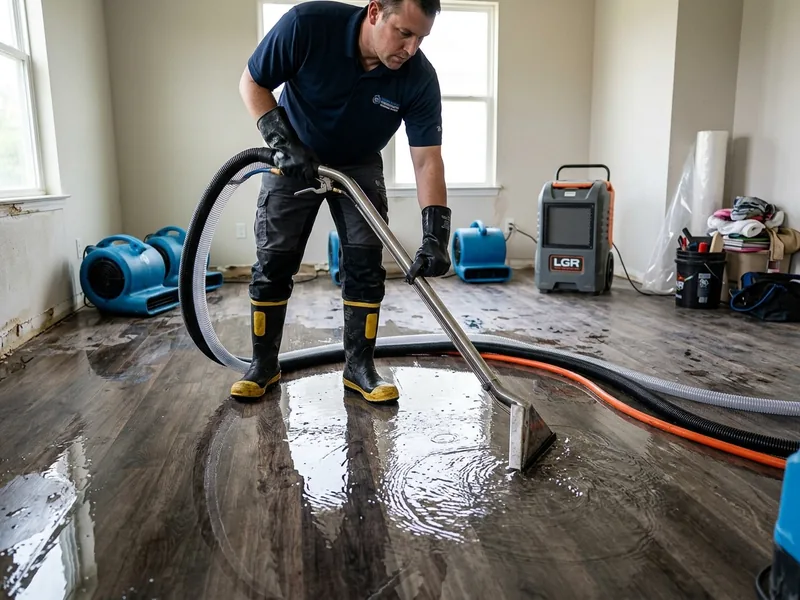
- 2We remove & cleanRemove the water and mud, then clean and disinfect.
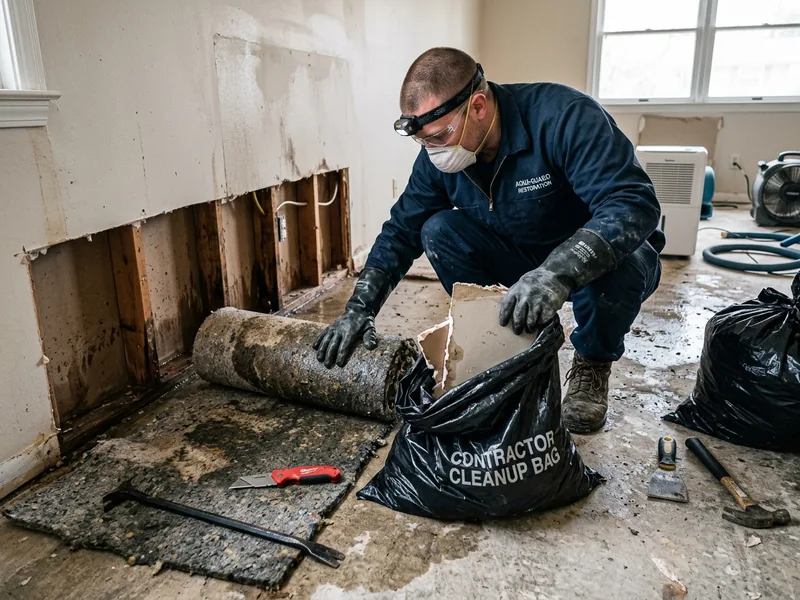
- 3Dry & repairDry the structure and repair the damage the water caused.
What is storm water damage?
Storm water damage is the harm done when rain, wind, and flooding from a storm push water into your property. On the Gulf Coast it is a leading cause of water loss, because Houston sees heavy rain, tropical storms, and hurricanes.
What sets storm water apart is that it usually arrives contaminated and from more than one direction at once. It is not a clean supply-line leak in a single room. It is dirty water entering through the roof, the walls, and the ground, which shapes how the cleanup has to be handled.
How does storm water get into a property?
Storm water gets in through whatever openings the weather can exploit. During a single storm, more than one of these often happens at the same time:
- Ground-level flooding as rain water rises and enters low points
- Roof leaks where wind and rain get past the roof
- Wind-driven rain forced through walls, windows, and doors
- Drainage failures that push water toward the foundation
Because storm water can enter several ways, cleanup starts by finding every path the water took.
Why is storm water treated as contaminated?
Storm water is treated as contaminated because of where it has been before it reaches you. Flood and storm water flows across ground, streets, and drains, picking up sewage, chemicals, mud, and bacteria.
That puts it in the black water category, the highest contamination level. It is a health risk from the start, which is why storm water cleanup uses protective equipment, removes porous materials it soaked, and disinfects the surfaces that remain, rather than being simply mopped up.
What does storm water cleanup involve?
Storm water cleanup follows a safety-first order from the first step to the last.
- Safety check. Crews confirm it is safe, watching for electrical and structural hazards.
- Remove water and mud. The contaminated water and any mud or debris are cleared.
- Remove ruined materials. Porous materials that soaked up storm water are taken out.
- Clean and disinfect. The surfaces that stay are cleaned and disinfected.
- Dry and repair. The structure is dried, then the damage is repaired.
Staying safe after a storm in Houston
Staying safe after a storm means keeping out of the water until hazards are cleared. Storm damage can be dangerous even after the rain stops.
Avoid floodwater and standing water while power is on to that area, watch for weakened floors and ceilings, and stay clear of contaminated water and mud. Houston's warm, humid climate lets mold grow quickly on damp materials, so once it is safe, starting cleanup promptly protects both your health and your property.
Storm water is a health risk
Flood and storm water carry contamination and cause mold fast. Call our Houston team to clean it up safely.
What water damage restoration looks like