Black Water Cleanup in Houston, TX
Black water is the most contaminated category of water, and it comes from sewage, flooding, and other unsafe sources. Cleaning it up safely takes protective equipment, disinfection, and safe disposal, not ordinary cleaning. We handle black water cleanup for Houston homes and businesses across all Category 3 sources.
How we respond
- 1You call usDescribe the water and its source, and we advise safety steps.
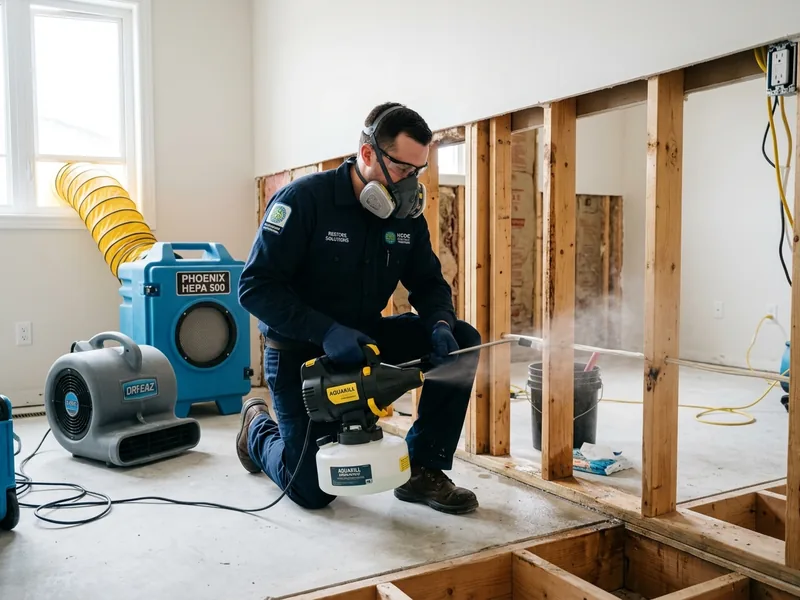
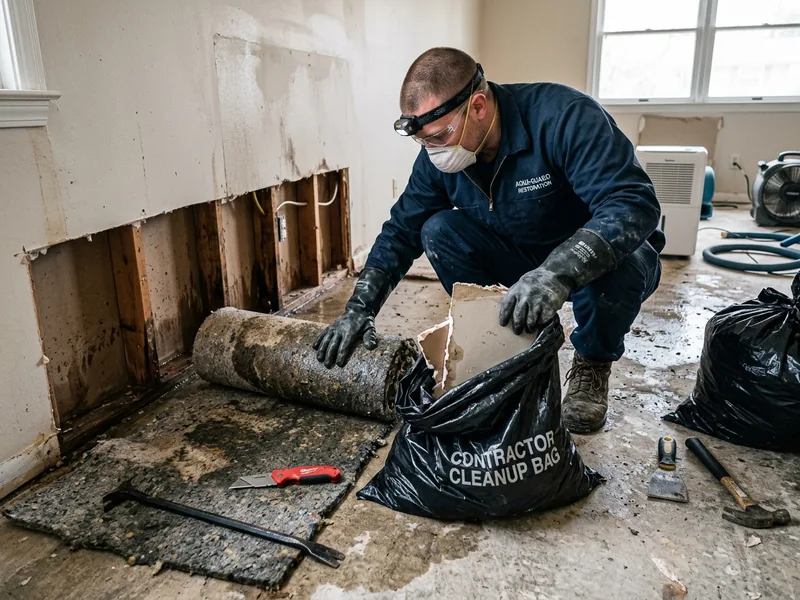
- 2We contain & removeSeal off the area, then extract the water and ruined materials.
- 3Disinfect & restoreSanitize, dry, and return the space to safe use.
What is black water cleanup?
Black water cleanup is the safe handling of the most contaminated category of water, wherever it comes from. Unlike a service tied to one source, it covers the whole Category 3 problem, from sewage to flood water to any water carrying serious contamination.
The work is defined by the risk, not the source. Because black water can make people sick, the cleanup is built around protection and disinfection: contain the area, get the water and ruined materials out, and disinfect everything that stays. The goal is a space that is safe again, not just clean-looking.
Where does black water come from?
Black water comes from any source that makes water seriously contaminated. The common ones in Houston include:
- Sewage from backups and overflows
- Flood water from storms and heavy rain
- Sewer line backups affecting the whole property
- Standing water that has sat long enough to become contaminated
Different sources, same classification. Whatever the origin, Category 3 water is handled to the same strict safety standard.
Why is black water the highest-risk water?
Black water is the highest-risk water because it carries harmful bacteria, viruses, and often chemicals or waste. Contact with it, or the air near it, can cause illness, which is why it is treated as a health hazard from the start.
The danger is not only what you can see. Black water soaks into porous materials and leaves contamination behind on every surface it touches. That hidden contamination is why the cleanup goes well beyond removing the water.
What does black water cleanup involve?
Black water cleanup follows a careful, safety-first order from the first step to the last.
- Contain the area. The space is sealed off so contamination does not spread.
- Extract the water. The contaminated water is pumped and extracted with protection.
- Remove ruined materials. Porous items that absorbed black water are taken out.
- Clean and disinfect. The surfaces that remain are cleaned and disinfected.
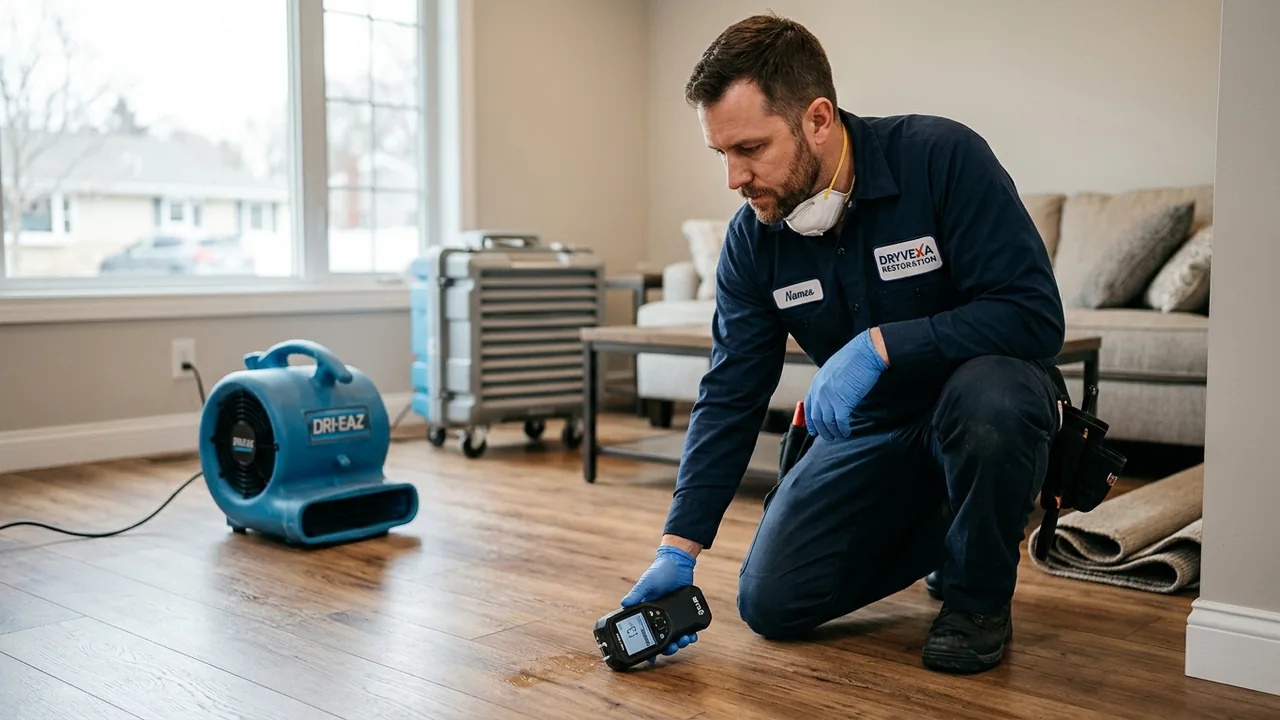
- Dry and restore. The area is dried and deodorized, then rebuilt as needed.
What can be saved after black water damage?
What can be saved after black water damage depends on whether a material is porous and can be fully disinfected. Hard surfaces usually survive; soft, absorbent ones usually do not.
Non-porous surfaces such as tile, metal, glass, and sealed floors can be cleaned and disinfected. Porous materials that soaked up black water, like carpet, padding, drywall, and insulation, are removed because the contamination cannot be safely cleaned out of them. Removing those materials is a health decision, not just a cosmetic one.
Black water is the highest-risk water
Category 3 water needs trained crews and full protection. Call our Houston team to handle it safely.
What water damage restoration looks like