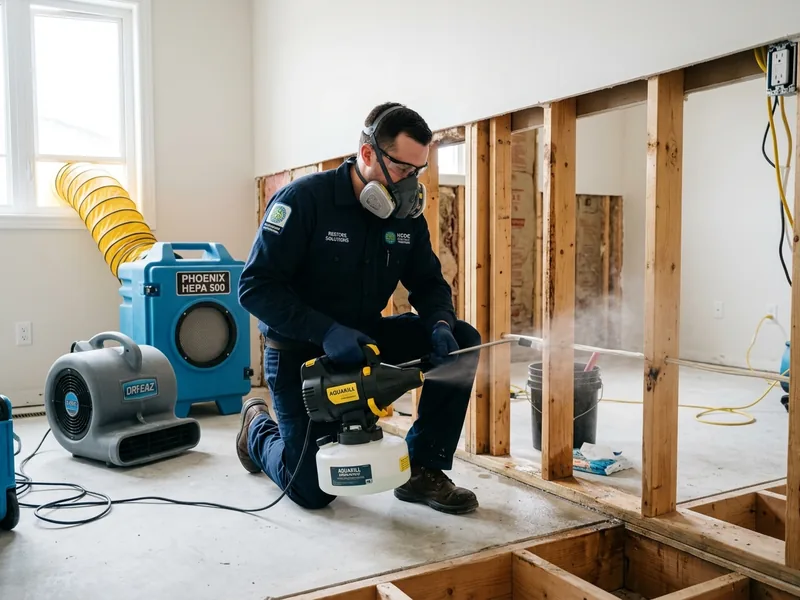
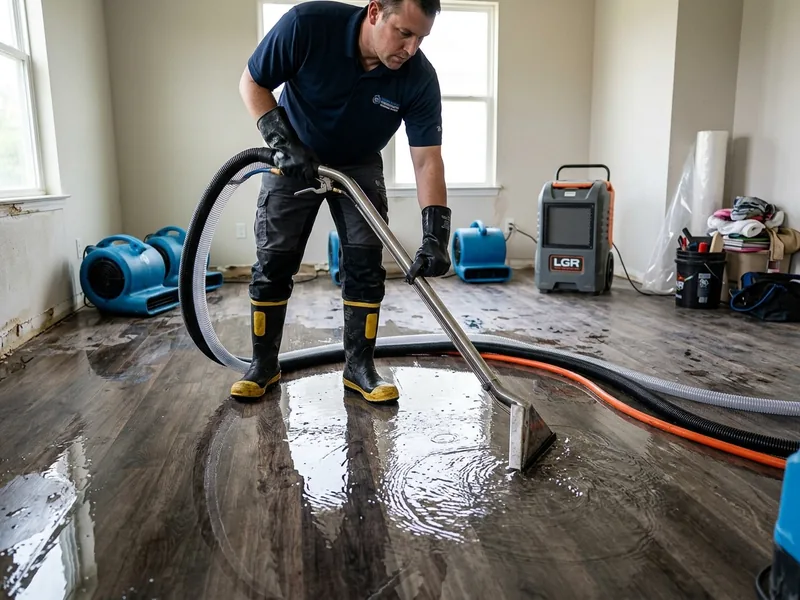
Gray Water Cleanup in Houston, TX
Gray water is moderately contaminated water from appliances and fixtures, such as a washing machine, dishwasher, or sink. It is not safe to leave, and it turns into hazardous black water the longer it sits. We clean up gray water for Houston homes and businesses before it becomes a bigger problem.
How we respond
- 1You call usDescribe the source and we advise safety steps to take.
- 2We remove & cleanExtract the gray water and clean the affected area.
- 3Sanitize & drySanitize surfaces and dry the space before mold can start.
What is gray water cleanup?
Gray water cleanup is the cleaning and sanitizing of a property after a gray water loss. Gray water is Category 2 water, which means it is moderately contaminated, dirtier than clean water but not as hazardous as sewage.
The key thing about gray water is that it sits in the middle, and it does not stay there. It is unsafe enough to need proper cleanup, and it gets worse over time. Cleaning it up promptly is what keeps a moderate problem from turning into a serious one.
Where does gray water come from?
Gray water comes from household appliances and fixtures rather than from waste. Common sources in Houston homes and businesses include:
- Washing machines overflowing or leaking
- Dishwashers leaking soapy water
- Sink and tub drains backing up with used water
- Showers and tubs overflowing
- Water softeners and other appliances that discharge water
The water often looks fairly clean, which is misleading. It still carries germs and needs to be cleaned and sanitized, not just mopped up.
Why does gray water need prompt cleanup?
Gray water needs prompt cleanup because it becomes more dangerous the longer it sits. What starts as moderately contaminated water does not stay that way.
As gray water sits, bacteria multiply and it drifts toward the black water category. Within a day or two, a gray water loss can become a black water hazard, which is harder to clean and forces more materials to be thrown out. Acting quickly keeps the cleanup smaller and safer.
What does gray water cleanup involve?
Gray water cleanup follows a clear set of steps that match its moderate contamination.
- Remove the water. The gray water is extracted from floors and surfaces.
- Remove ruined materials. Anything too soaked or contaminated to save is taken out.
- Clean and sanitize. The affected surfaces are cleaned and sanitized.
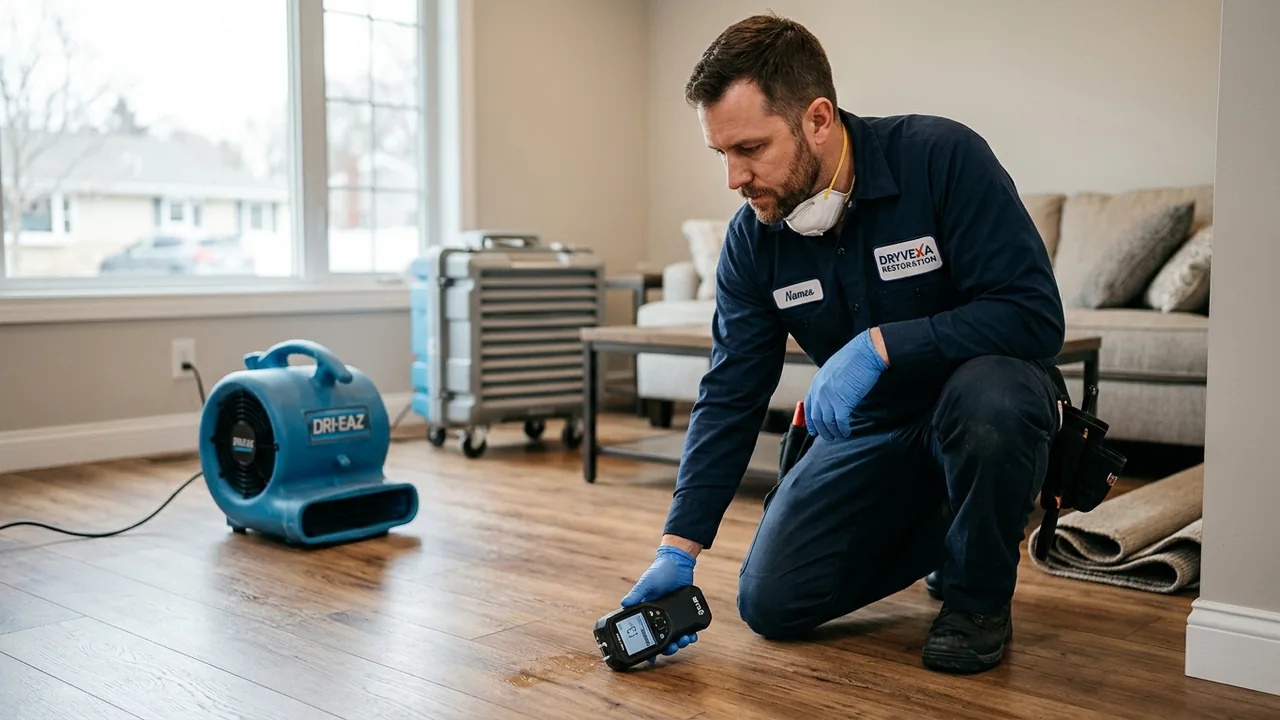
- Dry the area. The space is dried and moisture is checked to prevent mold.
How much can be saved after gray water?
More can usually be saved after gray water than after black water, as long as it is handled quickly. Because the contamination is moderate, materials that are cleaned and dried in time can often be kept.
That advantage fades as the water sits. Once gray water starts turning toward black water, more materials have to be removed for safety. The best way to save flooring, drywall, and belongings after a gray water loss is to start the cleanup before it has a chance to get worse.
Gray water gets worse the longer it sits
Acting fast keeps gray water from turning into a black water hazard. Call our Houston team to clean it up.
What water damage restoration looks like