Water Damage Inspection in Houston, TX
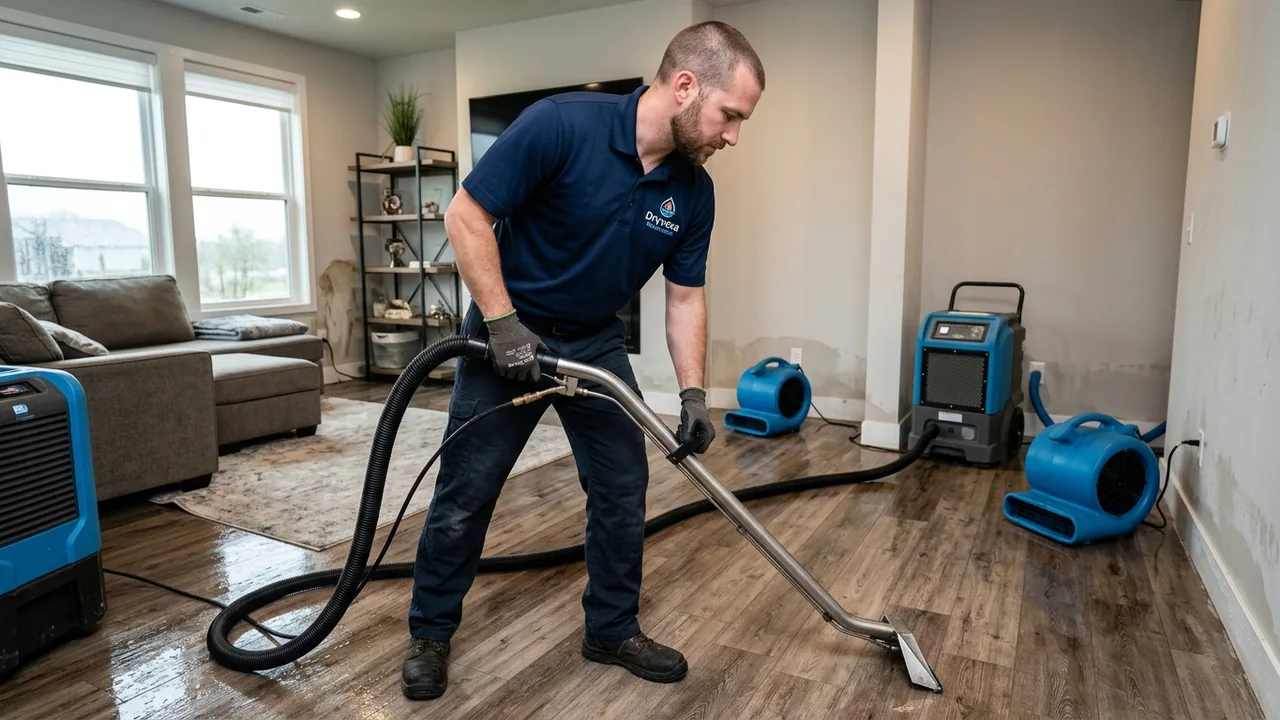
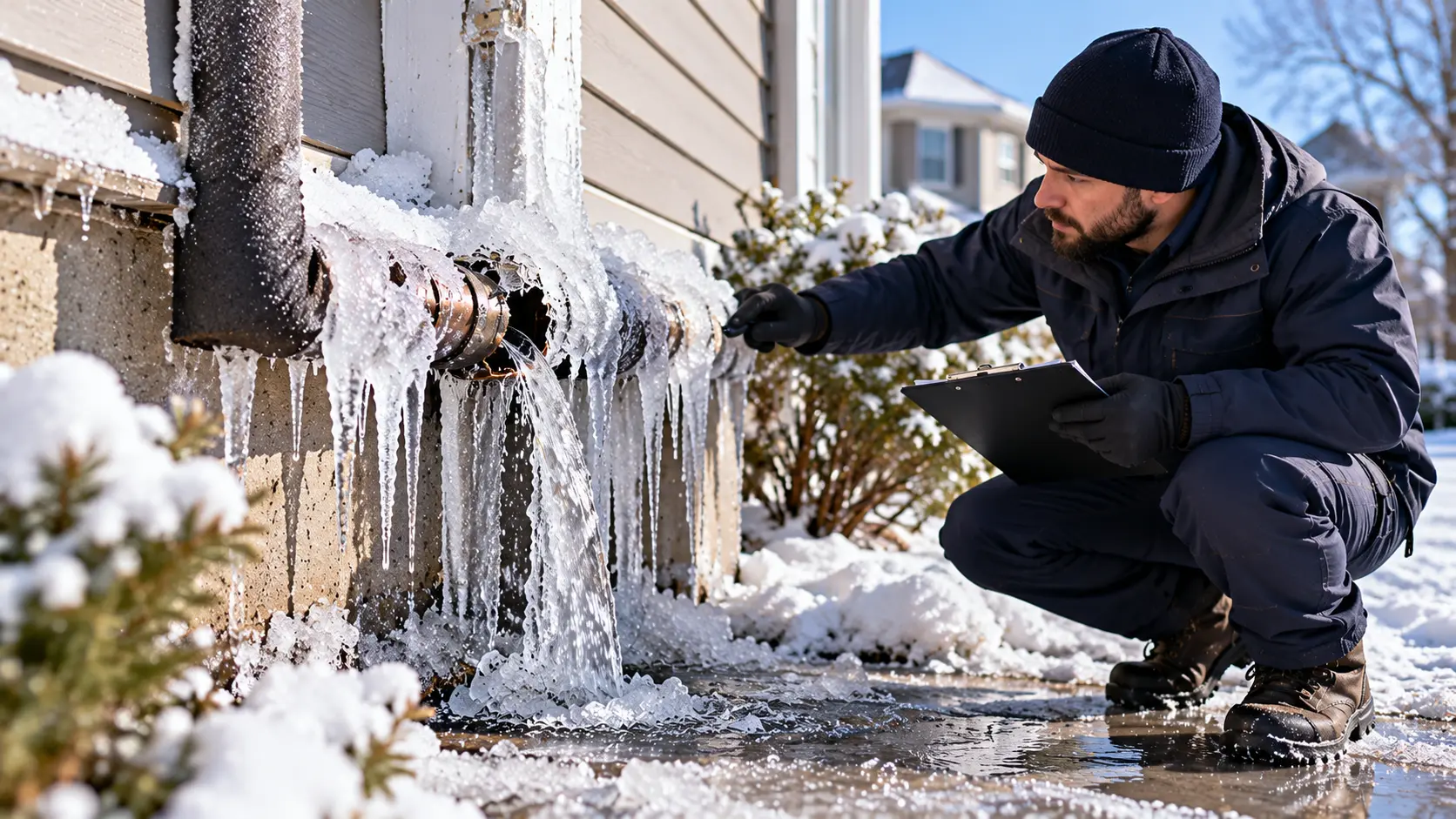
Water damage inspection is the diagnostic step that finds where water has gone, how much moisture is left, and what has been damaged. Much of water damage hides inside walls and under floors, so a proper inspection looks past the surface. We inspect water-damaged properties across Houston and document what we find.
How we respond
- 1You call usTell us what you're seeing and we plan the inspection.
- 2We inspect & measureCheck the property, read moisture, and find hidden damage.
- 3You get the findingsWe document the damage and explain the next steps.
What is water damage inspection?
Water damage inspection is the diagnostic step that finds out where water went, how wet things still are, and what has been damaged. It comes before the hands-on work, because you cannot fix what you have not found.
The reason inspection matters is simple: most water damage hides. Water travels down and sideways into places you cannot see, so a room can look fine while moisture sits inside the walls and under the floor. An inspection looks past the surface to the full picture.
Why do you need a water damage inspection?
You need a water damage inspection because the visible damage is usually only part of the story. Water spreads far beyond where it started, and the hidden part is what causes mold and long-term problems.
An inspection tells you three things you cannot know by looking: how far the moisture has traveled, what materials are affected, and how serious the damage is. With that, you can act on the real problem instead of guessing, and avoid paying later for damage that was missed.
What does a water damage inspection include?
A water damage inspection combines a careful look with measurements, so nothing hidden is missed. A typical inspection includes:
- A visual check of the affected and surrounding areas
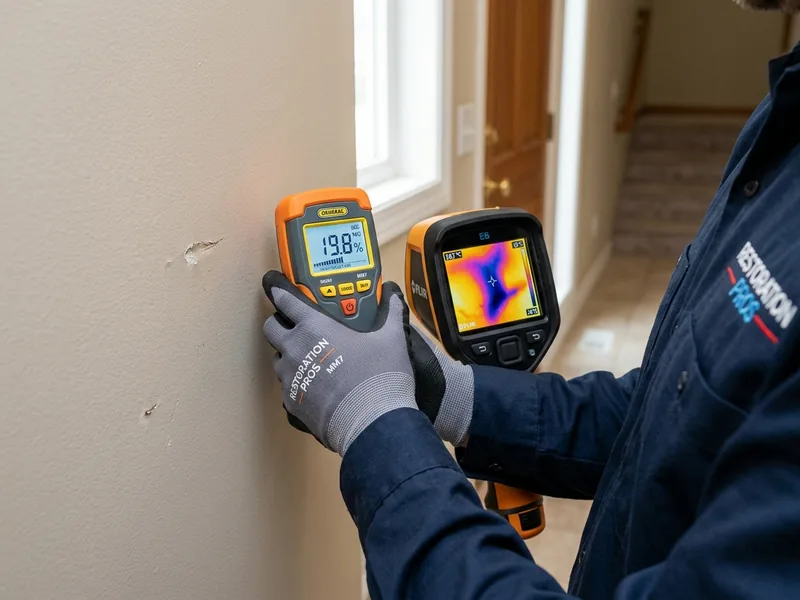
- Moisture readings taken inside walls, floors, and other materials
- Finding the source of the water where possible
- Mapping the spread of moisture beyond the obvious damage
- Documentation with notes, readings, and photos
What are the signs you should get an inspection?
Certain signs point to water damage that deserves a closer look. If you notice any of these, an inspection is worthwhile:
- Brown or yellow stains on walls or ceilings
- A musty or damp smell that will not clear
- Warped, buckled, or soft flooring
- Peeling paint or bubbling wallpaper
- An unexplained rise in your water bill
These often mean water is present where you cannot see it, and hidden moisture rarely dries on its own.
What happens after the inspection?
After the inspection, you get a clear picture of what is damaged and what moisture remains, which becomes the plan for what to do next. The inspection itself does not fix anything. It tells you what fixing will take.
From the findings, the right next step follows naturally: mitigation to stop the spread, cleanup for contamination, drying for trapped moisture, or repairs for damaged materials. Many losses need several of these, and the inspection is what puts them in the right order.
Hidden damage does not fix itself
If you suspect water damage, an inspection tells you what is really going on. Call our Houston team to arrange one.
What water damage restoration looks like