Appliance Water Damage in Houston, TX
Appliance water damage comes from the machines that use water every day, such as washing machines, dishwashers, refrigerators, and water heaters. These leaks are often slow and hidden, doing quiet damage behind and under the appliance for weeks. We clean up, dry, and repair appliance water damage for Houston homes and businesses.
How we respond
- 1You call usDescribe the appliance and leak, and we advise safety steps.
- 2We find & removeTrace where the water went, then remove it and check hidden spots.
- 3Dry & repairDry the structure and repair cabinets, floors, and walls.
What is appliance water damage?
Appliance water damage is the harm caused when a water-using machine leaks, overflows, or fails. It comes from the everyday appliances in a home or business, such as washing machines, dishwashers, refrigerators, water heaters, and ice makers.
What sets it apart from a storm or a burst pipe is how quietly it usually happens. Many appliance leaks are slow and tucked out of sight behind or under the unit, so the water soaks into the floor and cabinet long before anyone notices. By the time it shows, the damage is often deeper than it looks.
Which appliances cause water damage?
Any appliance connected to water can leak, but a handful cause most of the damage in Houston homes and businesses:
- Washing machines with burst or worn supply hoses
- Dishwashers leaking at the supply line, door seal, or drain
- Refrigerators with defrost or water-line problems
- Water heaters that fail with age or sediment buildup
- Ice makers whose thin supply line drips unnoticed
Each of these has its own weak points, which is why the cleanup starts by identifying the source.
Why do appliance leaks often go unnoticed?
Appliance leaks often go unnoticed because they happen where you cannot see them and at a pace you cannot hear. A machine sits flush against a wall or under a counter, hiding the very connections most likely to leak.
A slow drip from a hose or seal can run for weeks behind the unit, soaking the floor and cabinet base without a visible puddle. The first sign is often a warped floor, a musty smell, or a stain, by which point the water has already spread into the structure.
What does appliance water damage cleanup involve?
Appliance water damage cleanup follows the water from the appliance to everywhere it reached.
- Stop the source. The appliance's water supply is shut off.
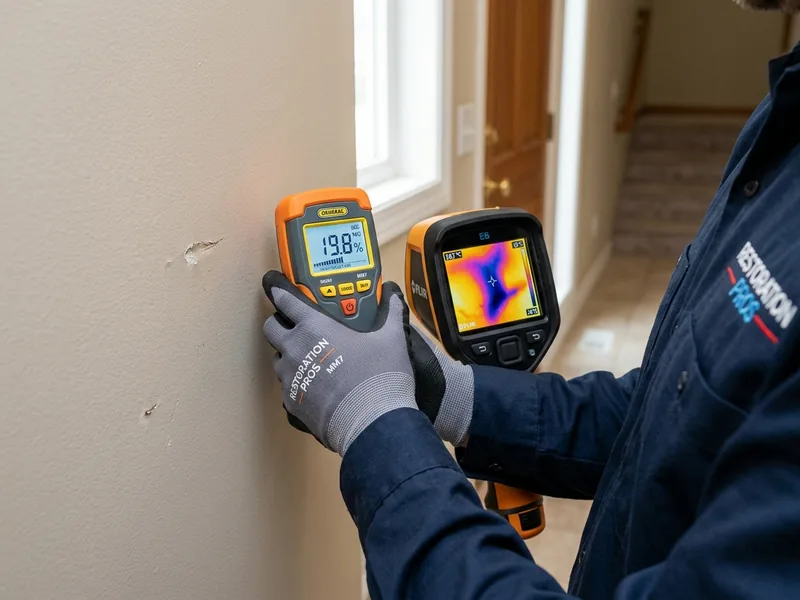
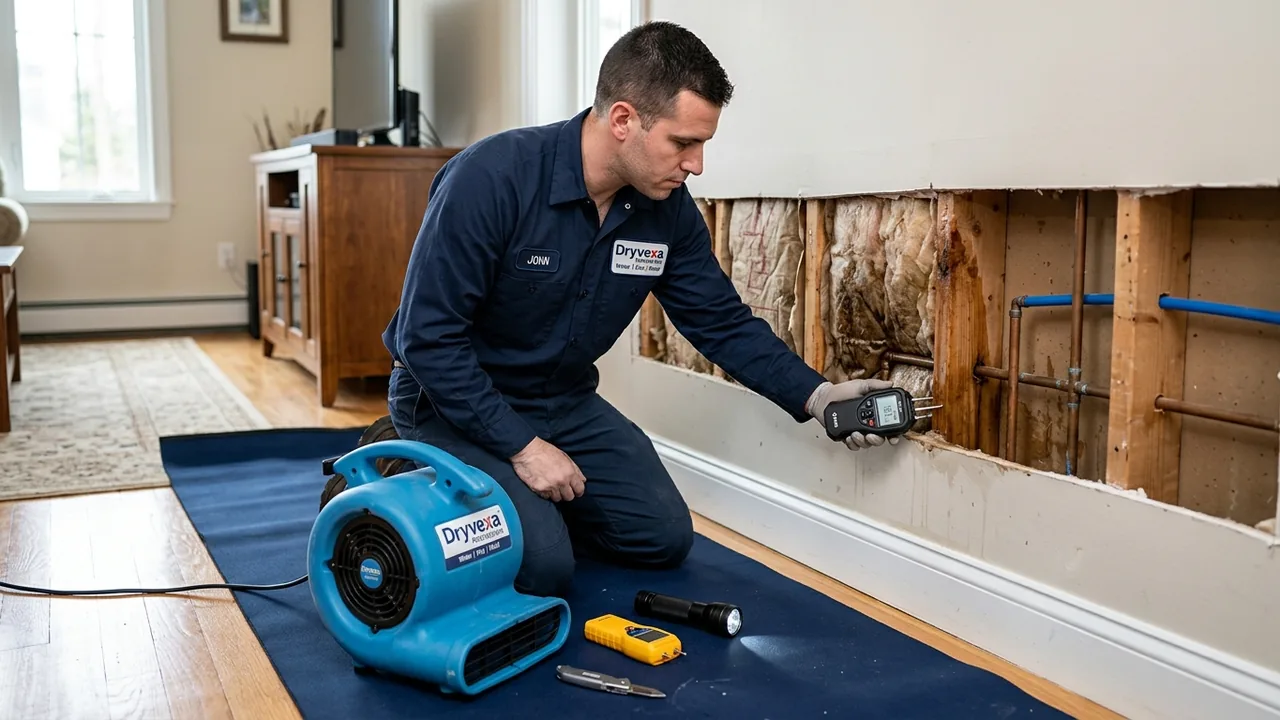
- Find the water. Crews check behind and under the unit, in the cabinet, and in the subfloor.
- Remove the water. Standing and trapped water is extracted.
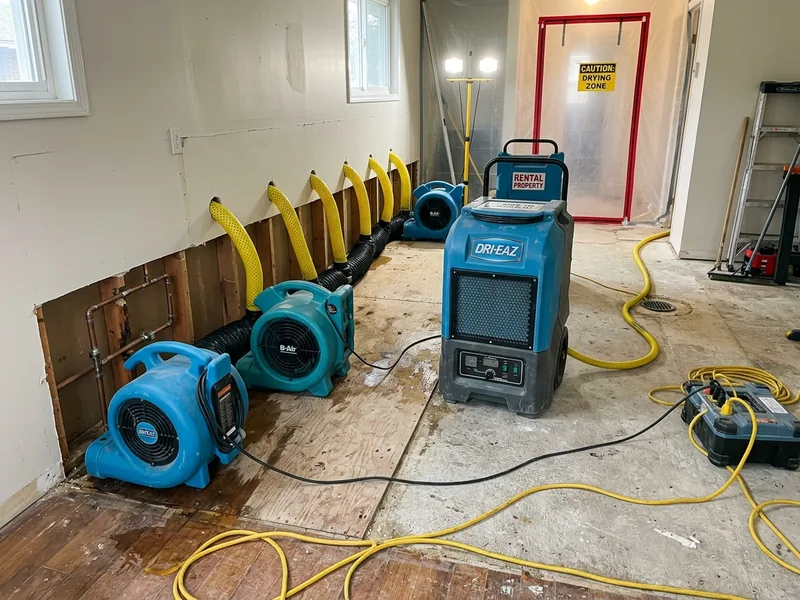
- Dry the structure. Cabinets, flooring, and subfloor are dried and verified with meters.
- Repair the damage. Ruined cabinets, flooring, and drywall are repaired or replaced.
Is appliance water clean or contaminated?
Appliance water ranges from clean to mildly contaminated, depending on where it came from. A break in a clean supply line starts as clean water, while water from a drain, a dishwasher, or a leak that has been sitting is gray water.
The distinction matters for how the area is cleaned. Clean water mainly needs fast removal and drying, while gray water also needs sanitizing. And any appliance water that sits long enough turns dirtier over time, which is another reason to deal with it promptly.
Appliance leaks hide and spread
A slow appliance leak can ruin a floor and cabinet before you notice. Call our Houston team to find and dry it.
What water damage restoration looks like