Mold Inspection in Houston, TX
A mold inspection checks a property for mold and, just as important, for the moisture conditions that allow it. After water damage, it helps confirm whether mold has taken hold and where. We provide mold inspections for Houston homes and businesses.
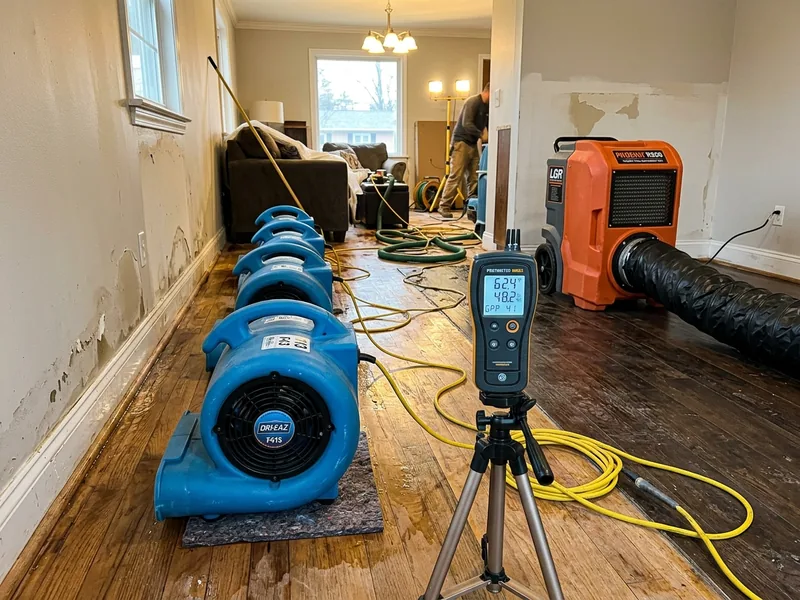
What is a mold inspection?
A mold inspection is a check of a property for mold and for the moisture conditions that cause it. After water damage, it answers whether mold has started, where it is, and what is feeding it.
Because mold and moisture are linked, a useful mold inspection looks at both. Finding a patch of mold matters, but so does finding the dampness behind it, since mold will keep returning until the moisture source is addressed.
What does a mold inspection check?
A mold inspection focuses on the places mold is most likely to be, guided by where water has been. It commonly checks:
- Visible mold on walls, ceilings, and surfaces
- Musty odors that signal hidden mold
- Damp and previously wet areas, where mold tends to start
- Moisture readings in materials that could support growth
Following the moisture is what leads to mold that is not yet visible, which is often the most useful part of the inspection.
How is it different from a moisture inspection?
A mold inspection and a moisture inspection are related but answer different questions. One looks for the cause, the other for the result.
A moisture inspection finds where water and dampness are in the structure. A mold inspection looks for mold itself and the conditions allowing it. In practice they overlap, because moisture is what makes mold possible, but a mold inspection is specifically about whether mold is present or likely, not just where the moisture is.
Is mold inspection regulated in Texas?
Mold assessment is regulated in Texas. State rules govern formal mold assessments, and above a certain project size those assessments must be carried out by a licensed mold assessor.
That matters for honesty about what a given visit is. A general check for mold and moisture is different from a formal, licensed mold assessment, and where a situation calls for the licensed process, that is what it needs. We flag when a job falls under those rules rather than presenting an informal check as a formal assessment.
Find the mold and its cause
Mold follows moisture. Call our Houston team to check for both.