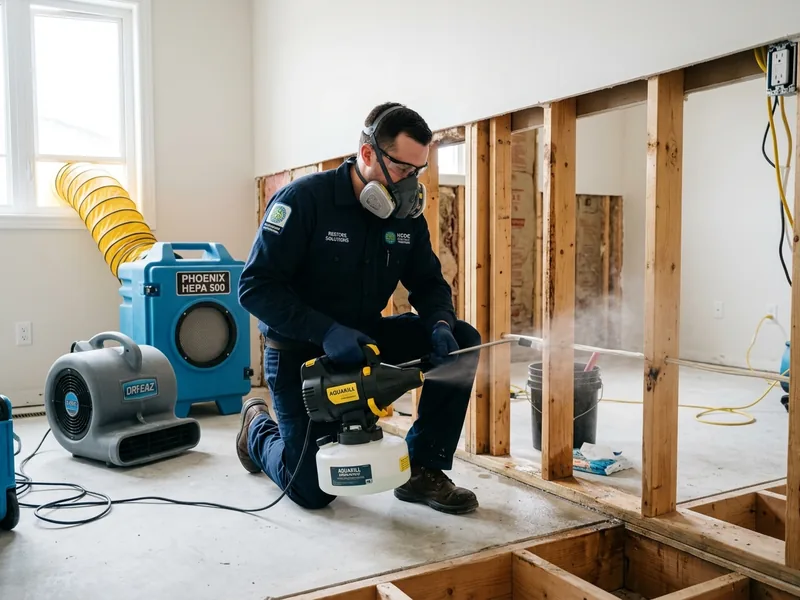
Sewage Cleanup in Houston, TX
Sewage cleanup is the safe removal and disinfection of a property after a sewage spill or backup. Sewage is contaminated black water that carries bacteria and health risks, so it should be handled by trained crews with proper protection, not cleaned up yourself. We handle sewage cleanup for Houston homes and businesses.
How we respond
- 1You call usDescribe the backup and we advise safety steps to take.
- 2We contain & removeSeal off the area, then remove sewage and ruined materials.
- 3Disinfect & restoreSanitize, deodorize, and return the space to safe use.
What is sewage cleanup?
Sewage cleanup is the safe removal and disinfection of a property after sewage has spilled or backed up inside it. It is not ordinary cleaning. Sewage is contaminated water, so the work is built around protecting health as much as saving the property.
Because of that contamination, sewage cleanup covers more than mopping up. It means containing the area, removing the sewage and anything it ruined, disinfecting the surfaces that stay, and clearing the odor. The goal is a space that is not just clean, but safe to use again.
Why is sewage dangerous?
Sewage is dangerous because it is black water, the most contaminated category of water. It carries bacteria, viruses, and other pathogens from waste, and it can make people sick through contact or through the air near it.
The risk is not only the water you see. Sewage soaks into porous materials and lingers, and it releases gases and odors that signal contamination in the air. This is why sewage is treated as a health hazard from the moment it appears, not just a mess to wipe up.
What does sewage cleanup involve?
Sewage cleanup follows a careful order that keeps the contamination controlled from start to finish.
- Contain the area. The affected space is sealed off so contamination does not spread.
- Remove the sewage. The contaminated water and waste are pumped and extracted.
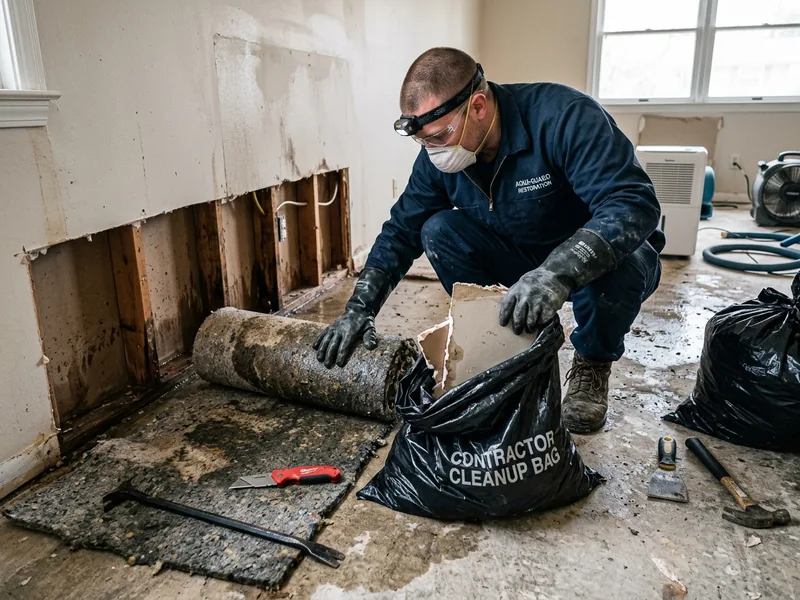
- Remove ruined materials. Porous items that soaked up sewage are taken out and bagged.
- Clean and disinfect. Surfaces that can be saved are cleaned and disinfected.
- Deodorize. The area is treated to remove the sewage odor.
Why you should not clean up sewage yourself
You should not clean up sewage yourself because the health risks are real and easy to underestimate. The bacteria and viruses in sewage can cause serious illness, and ordinary household cleaning does not make a contaminated area safe.
Safe sewage cleanup takes protective equipment, professional disinfectants, and safe disposal of contaminated materials. Without those, you risk spreading the contamination and exposing yourself and your family. For anything more than a tiny, contained spill, this is a job for trained professionals.
What gets removed, and what can be saved?
Whether something is removed or saved after sewage depends on whether it is porous and can be fully disinfected. Sewage soaks into soft materials, where germs cannot be safely cleaned out.
| Usually removed | Usually can be saved |
|---|---|
| Carpet and padding | Tile and sealed hard floors |
| Soaked drywall and insulation | Metal, glass, and solid surfaces |
| Upholstered and porous items | Hard items that can be disinfected |
Removing contaminated porous materials is a health decision, not waste. Keeping them can trap bacteria and odor inside the property.
Sewage is a health hazard
Contaminated water needs trained crews and proper protection. Call our Houston team to handle it safely.
What water damage restoration looks like