Flood Cleanup in Houston, TX
Flood cleanup is the cleanup of a property after flooding from storms, heavy rain, or rising water. Floodwater is contaminated and brings in mud, debris, and bacteria, so it needs careful removal and disinfection. We handle flood cleanup for Houston homes and businesses after water comes in from outside.
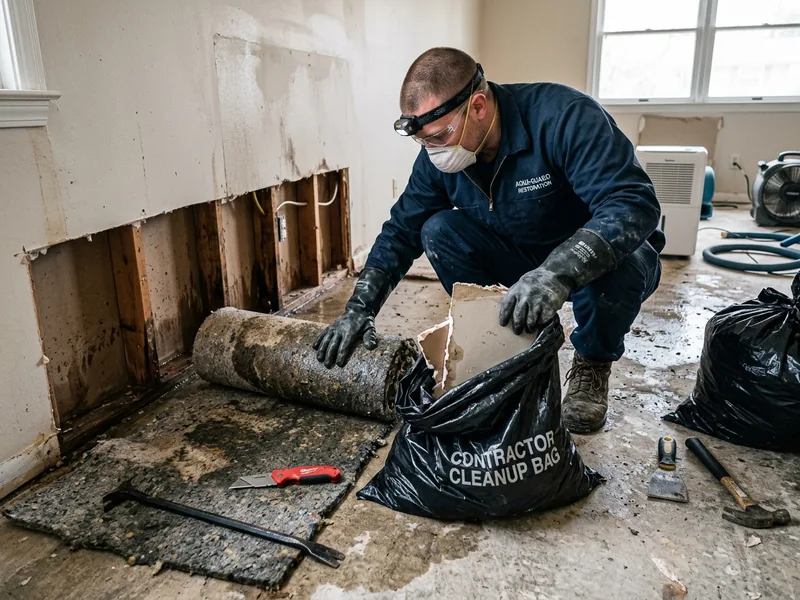
What is flood cleanup?
Flood cleanup is the cleanup of a property after water enters from outside, usually from storms, heavy rain, or rising water. It is different from an indoor leak because floodwater is contaminated and carries mud, debris, and bacteria into the building.
Because of that contamination, flood cleanup is about more than removing water. It also means clearing out the mud and ruined materials the flood brought in, then disinfecting everything the water touched so the property is safe to use again.
Why is floodwater treated as contaminated?
Floodwater is treated as contaminated because of where it has been before it reaches your property. As it travels across ground, streets, and drains, it picks up whatever is in its path.
Floodwater commonly carries:
- Sewage from overwhelmed drains and backups
- Chemicals such as fuel, oil, and lawn products
- Mud, silt, and outdoor debris
- Bacteria and other germs
This mix is why professionals classify floodwater as black water, the most contaminated category, and handle it with full protective equipment.
What does flood cleanup involve?
- Safety assessment. We confirm it is safe to enter, checking for electrical and structural hazards after the flood.
- Water and mud removal. Floodwater, mud, and silt are pumped and cleared out of the property.
- Removing contaminated materials. Soaked, porous materials that cannot be disinfected are taken out and disposed of safely.
- Cleaning and disinfecting. Surfaces and salvageable items are cleaned and disinfected to remove contamination.
- Deodorizing. The affected areas are treated for the odors floodwater leaves behind.
What flood-damaged items have to be thrown out?
Items that soaked up contaminated floodwater and cannot be disinfected usually have to be thrown out. The deciding factor is whether the material is porous and how long it sat in the water.
- Often removed: carpet and padding, soaked drywall, insulation, and upholstered items touched by floodwater.
- Often saved: hard floors, metal, glass, and sealed surfaces that can be cleaned and disinfected.
Throwing out contaminated porous materials is a safety step, not waste. Keeping them can trap bacteria and mold inside the home.
Staying safe after a flood in Houston
Staying safe after a flood means keeping out of the water until hazards are cleared. Floodwater and the damage it causes can be dangerous even after the rain stops.
Do not enter floodwater while power is on to that area, watch for weakened floors and ceilings, and avoid contact with contaminated water and mud. Houston's warm, humid climate lets mold grow quickly on damp materials, so once it is safe, starting cleanup promptly helps protect both your health and your property.
Floodwater is a health risk
Mud, bacteria, and contamination make flood cleanup a job for trained crews. Call our Houston team once it is safe to start.