The best thing you can do for a water damage insurance claim is document everything before you clean up: photograph and video the source, the water, and every affected area and item, and keep records of when it happened and what you did. Whether the damage is covered depends on its cause and your specific policy, but thorough documentation strengthens any claim.
This article is general guidance, not insurance or legal advice. Always confirm the details with your own policy and insurer.
What should you document for a water damage claim?
Document the cause, the extent, and the losses, with time-stamped photos and videos taken before anything is moved or thrown away. Capture:
- The source, such as the burst pipe, failed appliance, or point where water entered.
- The water itself, including how high it reached on walls and how far it spread.
- Every affected room and surface, from floors and walls to ceilings.
- Damaged belongings, item by item, including model numbers where you can.
- The date and timeline, noting when you discovered the damage and what you did next.
Keep this record organized. The more clearly you can show what happened and what was lost, the smoother the claim tends to go.
Does homeowners insurance cover water damage?
Whether water damage is covered depends on the cause and your policy. As a general pattern in the United States:
- Often covered: sudden and accidental damage, such as a pipe that suddenly bursts or an appliance that fails without warning.
- Often excluded: gradual damage from a slow, long-term leak, or damage tied to a lack of maintenance.
- Usually separate: flooding from outside, which standard homeowners policies generally do not cover and which is typically handled through separate flood insurance.
These are general tendencies, not guarantees. Coverage language varies between policies, so the only reliable answer comes from reading your policy and speaking with your insurer or adjuster.
Why does sudden vs. gradual damage matter?
Sudden versus gradual matters because many policies are built to cover sudden, accidental events rather than wear and tear. A pipe that bursts without warning looks different to an insurer than a fitting that dripped behind a wall for months.
This is also a practical reason to act on early warning signs. Catching a slow leak early, as covered in our guide on signs of hidden water damage, can prevent the kind of long-term, gradual damage that is harder to claim.
Should you clean up before the adjuster arrives?
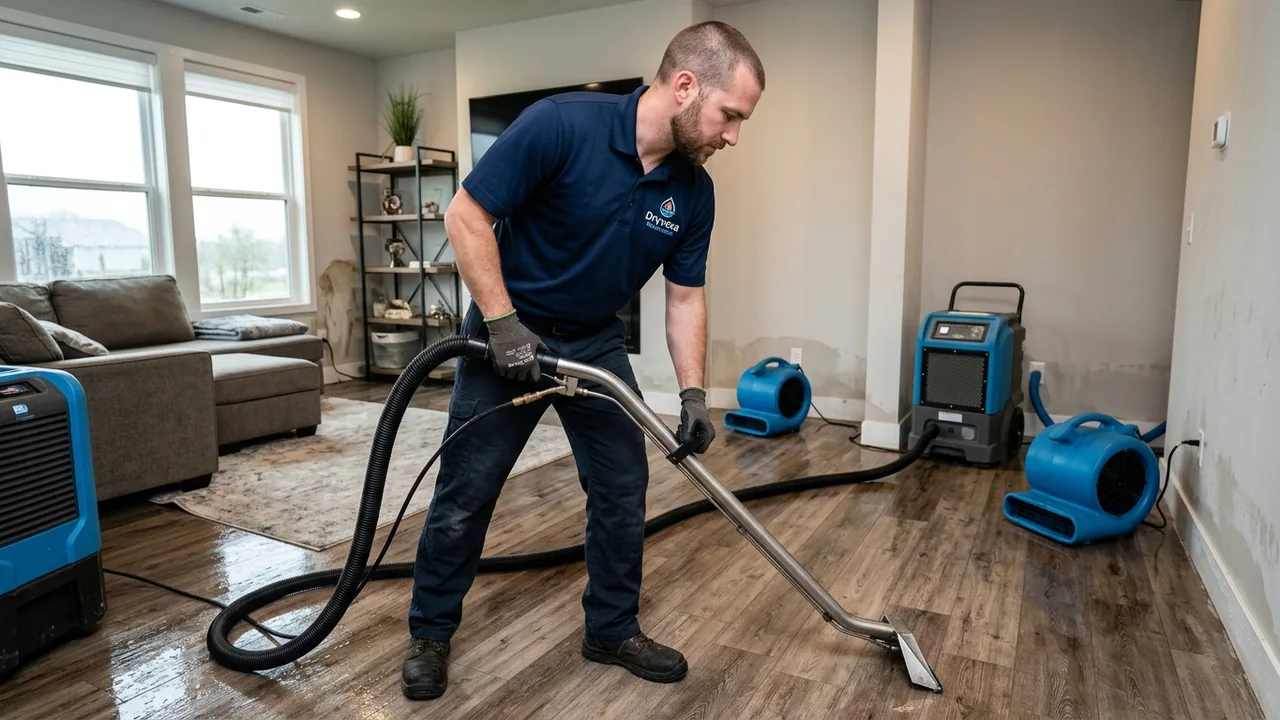
Document first, then take reasonable steps to prevent further damage. Most policies expect you to limit additional loss, which means stopping the water, removing standing water, and beginning to dry the area rather than leaving it to get worse.
The key is to keep records as you go: photos before and after, a list of what you removed, and notes on the work done. This shows the adjuster both the original damage and the steps you took to contain it.
How does professional restoration help with a claim?
Professional restoration helps a claim by creating a detailed, documented record of the damage and the recovery. During water damage restoration, the damage and the drying process are documented in detail, including moisture readings, which supports the scope of the work and can help your adjuster understand what was needed.
A professional water damage inspection can also identify the full extent of the damage, including hidden moisture, so nothing is missed in the claim. If you want help documenting a loss in Houston, contact our team and we will walk you through it.
Frequently asked questions
What should I document for a water damage claim?
Does homeowners insurance cover water damage?
Is flood damage covered by homeowners insurance?
Should I start cleanup before the adjuster arrives?
Need help documenting water damage in Houston?
We document the damage and the drying process in detail, which helps support your claim. Call to talk it through.