Structural Restoration in Houston, TX
Structural restoration repairs the parts of a building that hold it up after water gets into them. It covers the framing, subfloors, joists, and load-bearing walls that water can rot, warp, or weaken. We assess and rebuild the structure of Houston homes and businesses so the property is sound and safe again.
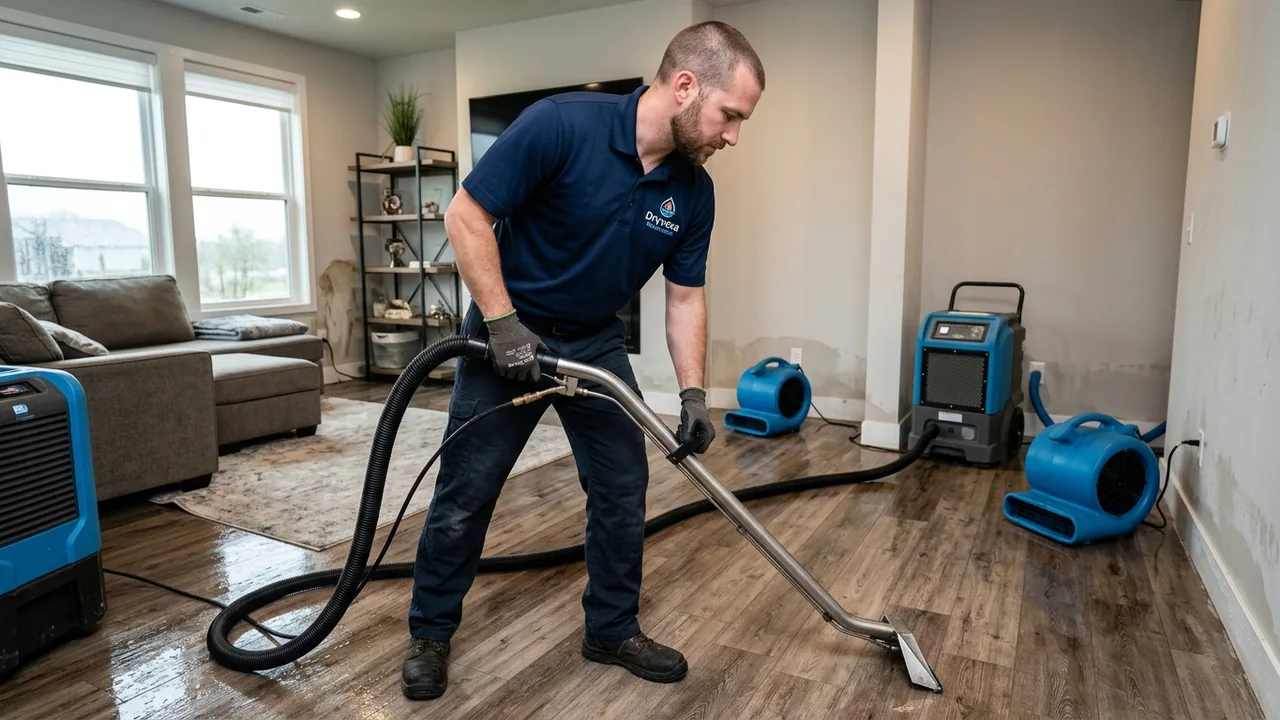
What is structural restoration after water damage?
Structural restoration is the repair of the parts of a building that carry its weight after water has damaged them. It focuses on the frame and supports hidden behind your finishes, not the paint or flooring you see.
This work matters because water can quietly weaken the wood and connections that hold a building up. A property can look almost normal on the surface while the structure underneath is soft, rotting, or losing strength. Structural restoration finds that damage and makes the building sound again.
Which parts of a building does structural restoration cover?
Structural restoration deals with the load-bearing parts of the property, the ones that keep floors level and walls and ceilings in place. It commonly covers:
- Floor joists and beams that support the floors above
- Wall studs and load-bearing walls that carry weight down to the foundation
- Subfloors beneath your finished flooring
- Roof framing and ceiling joists wetted by roof leaks or upper-floor flooding
- Support columns and posts in basements, garages, and open spaces
These are different from the finishes and belongings handled during property restoration. Structural work is about the bones of the building.
What are the warning signs of structural water damage?
The clearest signs are parts of the building that have moved, sagged, or lost strength. Water rots wood, corrodes fasteners, and makes framing swell and warp, which shows up as:
- Floors that sag, slope, or feel spongy when you walk on them
- Bowing or bulging walls, or walls that feel soft
- Ceilings that droop or show a widening stain
- Cracks in drywall, especially around door and window corners
- Doors and windows that stick or no longer close squarely
If you notice any of these after a leak, storm, or flood, treat them as urgent. Hidden structural damage does not fix itself and tends to spread.
Can wet framing and subfloors be dried, or must they be replaced?
Some wet structural wood can be dried and saved, and some must be replaced. The deciding factors are how long the wood stayed wet, how much moisture it holds, and whether it has started to rot or lose strength.
- Dry in place: framing and subfloors caught early, before rot sets in, can often be dried with targeted equipment and kept.
- Replace: wood that stayed saturated for days, shows rot, or has weakened must be cut out and rebuilt so the structure is safe.
We measure moisture inside the materials, not just at the surface, so the decision is based on the real condition of the wood rather than a guess.
Is a building with structural water damage safe to stay in?
A building with structural water damage is not always safe, and any area that has clearly shifted should be treated as off-limits until it is checked. Water that has weakened joists, beams, or a subfloor can make a floor or ceiling give way under normal use.
Stay off floors that feel soft or sloped, keep away from bulging walls and sagging ceilings, and never enter a flooded area with standing water and live electricity. When load-bearing parts are involved or safety is unclear, a licensed structural engineer may need to evaluate the building before repairs begin.
How is structural restoration different from property restoration?
Structural restoration rebuilds the parts that hold the building up, such as joists, studs, and subfloors. Property restoration repairs the finishes and contents you see and use, such as drywall, flooring, cabinets, and belongings.
Many water losses need both, and they work together: the structure is made sound first, then the finishes go back on top of it. If you are not sure which your property needs, an inspection will show how deep the water reached and whether the frame was affected. Call once you see signs of shifting or weakened structure, or when a previous water loss was never fully checked below the surface.
Do not wait on structural damage
Weakened framing and subfloors get worse the longer they stay wet. Call to have the structure checked before you plan any repairs.