Whether to restore water-damaged material or replace it comes down to three questions: how contaminated the water was, how long the material stayed wet, and whether the material is porous. Clean water caught quickly usually favors drying and restoring. Contaminated water, or materials that sat wet for days, usually means replacement. Deciding well saves money and avoids leaving hidden moisture and mold behind.
Here is how to think it through, material by material.
What decides restore versus replace?
The restore-or-replace decision rests on the same three factors for almost every material:
- Water category. Clean water (Category 1) is far more salvageable than gray or black water, which bring contamination. Our guide to the three water categories explains the difference.
- Time wet. The longer a material stays saturated, the less likely it can be saved. Days of exposure often tips the balance toward replacement.
- Material type. Non-porous and dense materials dry and clean well. Porous materials soak up water and contamination and are harder to fully restore.
When these point in different directions, contamination and time usually outweigh the rest, because they drive both structural damage and mold risk.
Can water-damaged drywall be restored or should it be replaced?
Drywall can sometimes be restored and sometimes must be replaced, depending on how wet it got and with what water.
- Restore: drywall dampened briefly by clean water, where the moisture is removed quickly and readings confirm it dried.
- Replace: drywall that was saturated, stayed wet for days, swelled or crumbled, or was exposed to gray or black water. Soaked drywall holds moisture inside and can harbor mold even after the surface looks fine.
A common approach is removing a section of the lower wall, drying the cavity behind it, then patching, rather than replacing an entire wall.
What about water-damaged flooring?
Flooring depends heavily on the type:
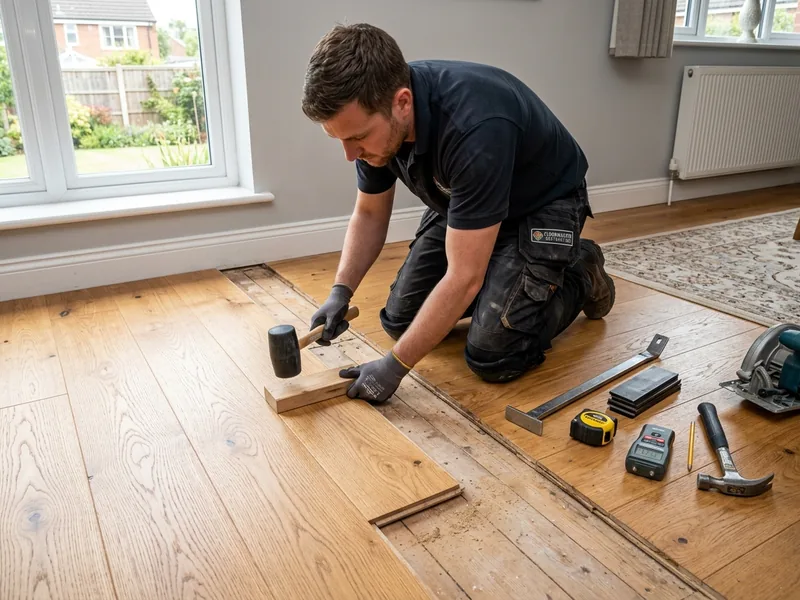
- Hardwood can often be saved if it is dried quickly and correctly, though some cupping or minor finish damage may remain. Hardwood that stayed wet, separated, or met contaminated water is more likely to be replaced. See our hardwood floor water damage page.
- Laminate tends to swell and delaminate once water gets into the core, and it usually cannot be restored.
- Tile is durable, but water can get under it and into the subfloor, so the tile may survive while the material beneath needs drying or replacement.
In every case, the subfloor underneath must be dried and checked, because trapped moisture there is a frequent cause of repeat problems.
Should water-damaged carpet be restored or replaced?
Carpet can often be restored after clean-water damage if it is extracted and dried quickly, and the padding beneath it is dealt with. After gray or black water, carpet and especially padding are usually removed, because the padding holds contamination that cannot be fully cleaned or disinfected.
Upholstered furniture follows a similar rule: salvageable after clean water if dried promptly, but a replacement candidate after contaminated water. Our carpet and upholstery water damage page covers how these are treated.
How do professionals make the restore-or-replace call?
Professionals make the call by measuring, not guessing. They check moisture levels inside the materials, identify the water category, and factor in how long the water has been present, then recommend drying what can be safely saved and removing what cannot.
The goal is a result that is both sound and safe: nothing kept that still holds hidden moisture or contamination, and nothing torn out that could have been dried and restored. A professional water damage repair assessment gives you a clear, material-by-material plan for your property.
Frequently asked questions
What decides whether water-damaged material is restored or replaced?
Can water-damaged drywall be saved?
Is water-damaged hardwood flooring always a replacement?
Does carpet need to be thrown out after water damage?
Deciding what to save after water damage in Houston?
We'll assess what can be dried and restored versus replaced. Call and we'll walk through your options.